Its been while since i wrote a social blog on this website partially due to the lack of good topic. Recently, there have been some events happening in & around India which gave me some ideas to write this blog. So, Lets get started.
A nation gets formed or deformed by how the cracks in its systems exists or developed (civil administration, society etc.) are being handled either by filling them or exploiting them further making a wider fault lines. I am going to talk about such fault lines seems active in today’s India. Caste, Language and Religion.
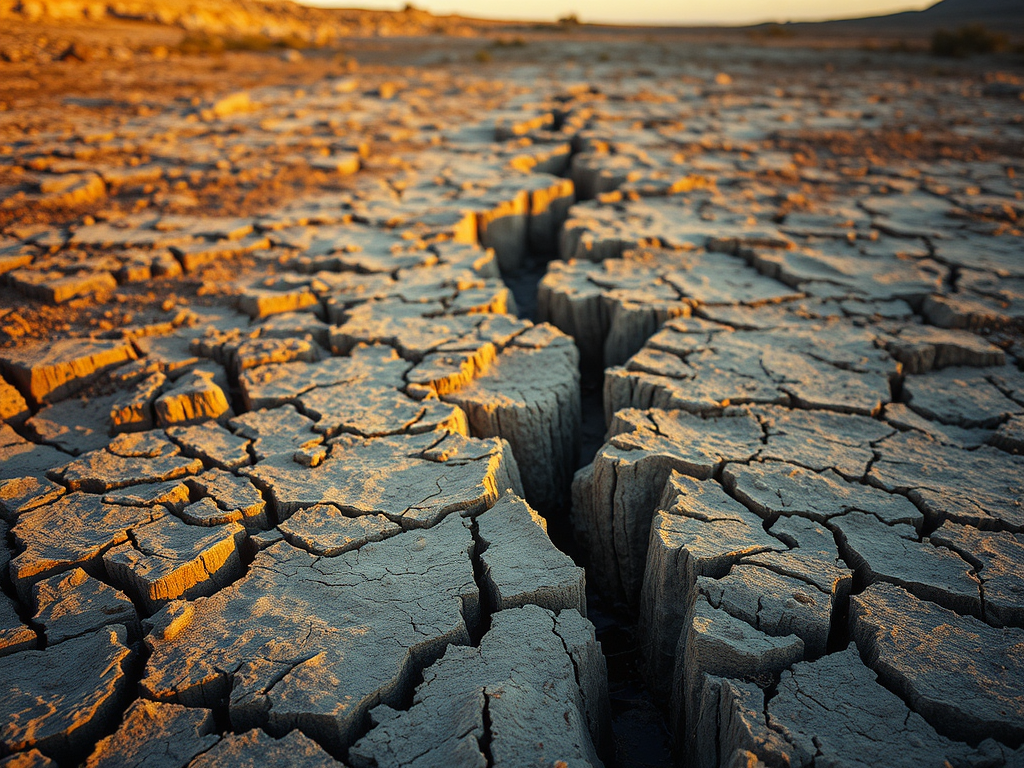
First, What is the fault line? The literal definition of fault line with reference to geology says a long crack in the surface of the earth where earthquake is more likely to happen. Think Caste, Language and Religion as those long cracks.
India is a very diverse country, Linguistically, India has 2 official language with states can have their own official language, 22 schedule languages. India has a national animal But does not have national language. India has ~ 3000 caste and ~25000 sub-castes. Indian state with various Acts manages the balance between castes difference and adequate representation of all castes. The major religions in India are Hinduism (which is practiced by most population), Islam, Christian, Sikhism, Buddhism and Jainism. However, officially India is a secular country which mean there is no state religion and state has to treat all faith followers equally.
Now, one thing to notice here is, India builds a consensus to march ahead in global arena while not damaging its diverse nature with a vibrant democracy, a Art of finding a middle path whenever there is disagreements. So, Indian state was and is able to handle such fault lines. These fault lines are not new and even used by colonial powers as well to rule on India.So, question is, Who is exploiting these fault lines today?
Today’s Politics is the reason. In today’s India, These 3 fault lines are actively being exploited. It does not mean that it has not happened in the past, it did happen, But not all 3 activated simultaneously. Examples, “Jatigat Janganana (Caste census)”, Locals sentiments on Kannada vs other languages in Bengaluru, Religious appeasements etc. The “Art of building consensus” among political parties is vanishing and they are ready to exploit these fault lines further if these help them to win power.
Today’s Indian workforce wants to compete with China, wants to compete with world in AI, Space and Technologies etc. India’s global ambitions are getting wings, But global conflicts too are rising fast, India’s neutral stance has been challenged. This brings me to the 2nd factor which can exploit these fault lines further, Geo Politics. Geo political interference can be more dangerous and brutal as foreign powers just see their goals and not the human cost involved.
How deep these fault lines are then? Lets take Language first as it is very easy to measure, A language fault line is very limited to the people speaking that language i.e Bengali, Orida, Telugu, Kannada etc. are limited to West Bengal, Odisha, Andha Pradesh, Karnataka, Basically regionally. Religion and Caste fault lines are present across Indian states,so these are little wider But not having same impact across all Indian states. However, These are powerful enough to raise sentiments high at a times.
So, Will these fault lines go further deep this time? Not really. These are activated by said forces to achieve some goals and once achieved, fault lines are left to heal on its own or by the vibrant Indian societies. However, The time during which fault lines are exploited can be troublesome to many and at times dangerous too! but not threatening to India’s social and administrative fabric at large. As a common man or citizen of India, our goal is not to fall in to these lines, The more tolerant to these subjects we are, lesser the exploitation.
I will end this blog here. Hope I am able to give different aspect to your views on these fault lines and make a wiser decision before temperature raises on these lines.

 Welcome to Haresh's blogs!!